Structured, Supportive Care in a Safe and Stable Environment
For individuals who need consistent support and a highly structured setting, Residential Treatment at DreamLife Treatment Center provides a stable foundation for recovery. This level of care is designed for people who benefit from living in a recovery-focused environment while receiving comprehensive clinical services.
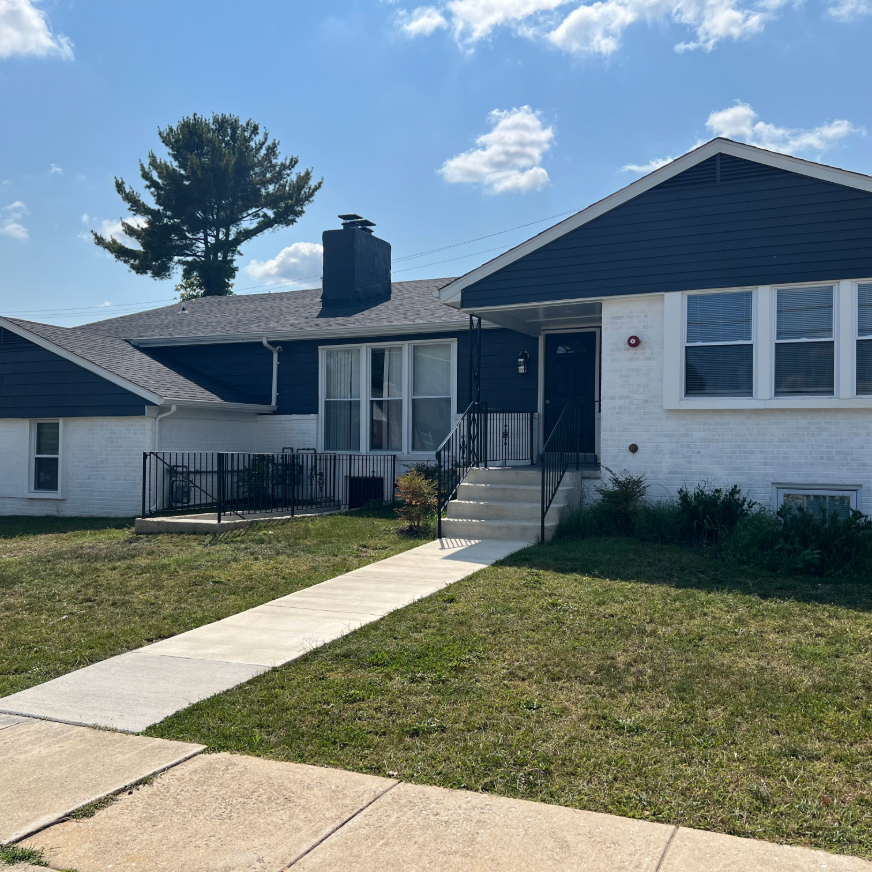
Residential treatment offers the time, space, and structure needed to step away from daily triggers and focus fully on healing. At DreamLife, residential care combines evidence-based treatment with safe, clean, and affordable housing to support lasting change.
Residential treatment is appropriate for individuals who need more structure and support than outpatient or partial hospitalization programs can provide.
This program may be the right fit if you:
Are stepping down from a higher level of care
Have experienced relapse due to instability or lack of support
Need distance from daily triggers and stressors
Benefit from consistent accountability and routine
Are stepping down from inpatient care and need continued structure
Residential treatment provides a supportive setting where recovery can become the primary focus.
What Residential Treatment Looks Like at DreamLife
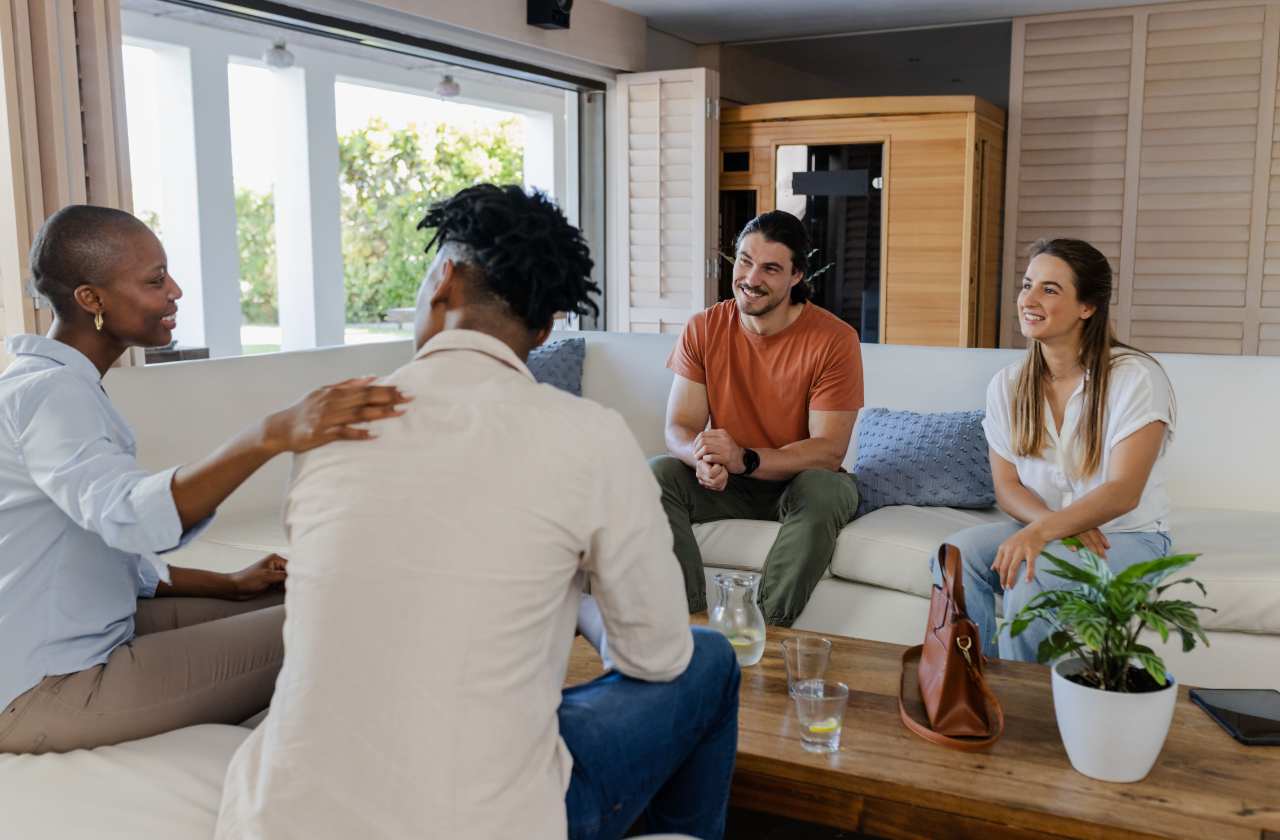
DreamLife’s residential program offers structured daily programming while clients live in supportive housing designed to promote safety, accountability, and independence.
Services may include:
Individual therapy
Group therapy
Mental health support
Medication management when appropriate
Life skills support
Relapse prevention planning
Case management and coordination of care
Clients participate in treatment while developing routines that prepare them for long-term recovery.
Housing plays a critical role in recovery. DreamLife provides access to safe, clean, and affordable housing options that support treatment engagement and personal responsibility.
Residential living helps clients:
Establish healthy daily routines
Practice recovery skills in a supportive setting
Build accountability within a structured environment
Reduce exposure to triggers and high-risk situations
This stability allows clients to focus fully on growth and healing.
Integrated Into a Full Continuum of Care
Residential treatment at DreamLife is part of a coordinated continuum of care. Clients can transition into residential services from higher or lower levels of care and step down as progress is made.
This continuity ensures:
Consistent clinical oversight
Seamless transitions between programs
Ongoing treatment planning
Support throughout every phase of recovery
Clients are not rushed. Progress is measured and supported at an appropriate pace.
Building the Foundation for Long-Term Recovery
Residential treatment is about more than short-term stabilization. The goal is to help clients build a strong foundation for independent, sustained recovery.
Focus areas include:
Emotional regulation and coping skills
Accountability and personal responsibility
Healthy communication and relationships
Relapse prevention strategies
Life skills that support independence
By the time clients step down from residential care, they are better prepared to navigate recovery in everyday life.
Residential Level of Care
Holistic approach to treatment
Individualized treatment plan
Safe & comfortable medication assisted treatment available
Beautiful residence offers a tranquil setting with picturesque scenery
Treatment can last anywhere from 30 to 45 days
Case management from start to finish, including assistance with legal issues, job placement, transition planning, etc.
Group therapy 7 days a week based on experiences and personality traits, using an evidence-based curriculum including gender-specific groups
Individualized one-on-one therapy using several treatment modalities, including:
Dialectical Behavioral Therapy (DBT)
Cognitive Behavioral Therapy (CBT)
Acceptance and Commitment Therapy (ACT)
Motivational Enhancement and Interviewing
Monthly recreational therapy outings
Complementary treatments approach; i.e. Acupuncture, Meditation, Yoga, Equine Therapy, etc.
Catered meals and access to a licensed nutritionist
Family involvement, recovery support groups, and accountability as integral parts of services
Leisure activities, including ping-pong, video games, television, and more
24-Hour Care and Supervision
Focus on life skills training
Low Intensity Residential Treatment Services
Assessments, including medical, mental health, and substance abuse history