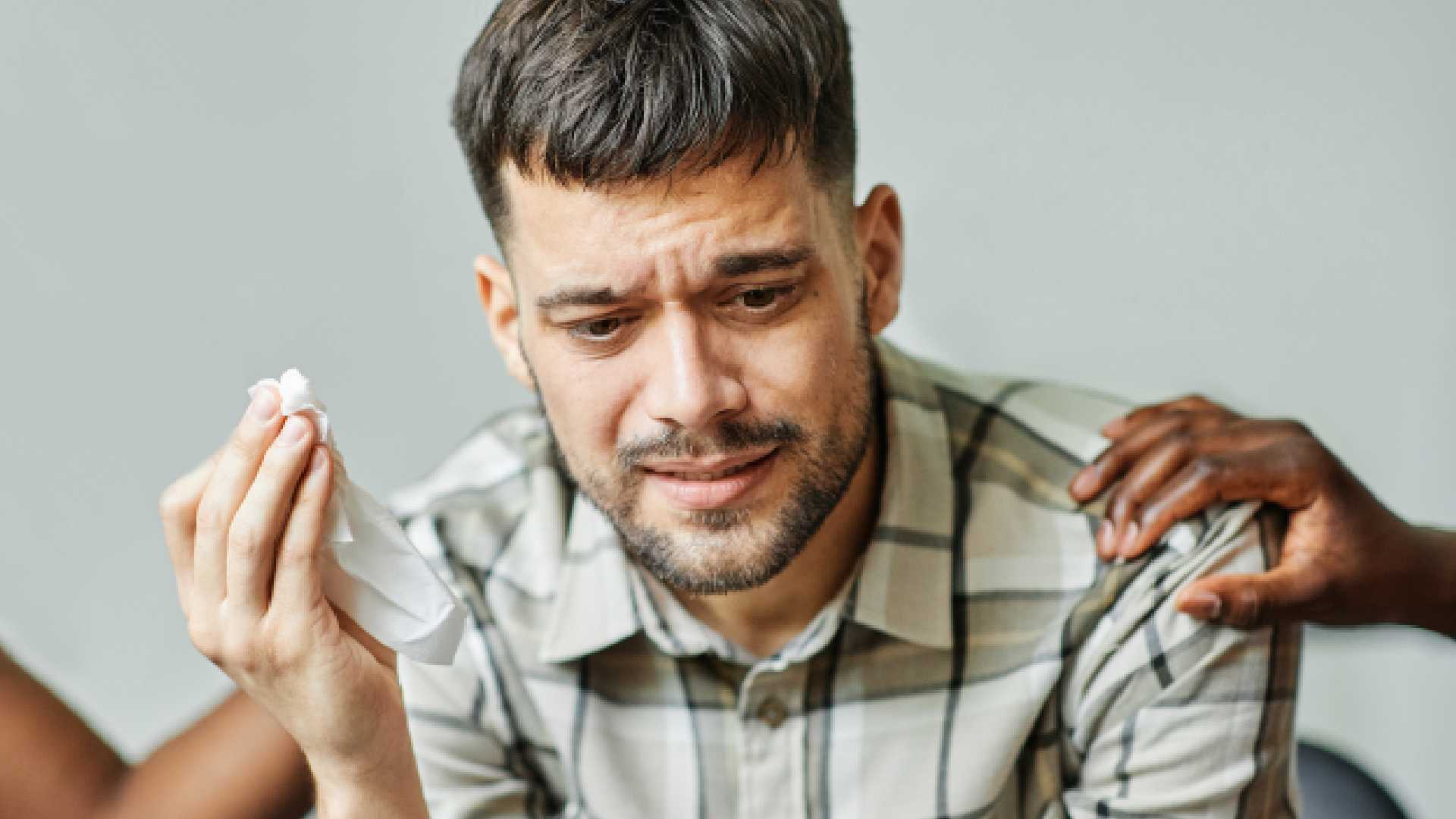
Understanding cocaine addiction rehab
Finding compassionate cocaine addiction rehab can feel overwhelming when you’re facing the physical and emotional challenges of cocaine use disorder. You want a program that understands stimulant addiction treatment and offers medical oversight, proven therapies, and a supportive environment. This guide walks you through what to expect, how to compare programs, and which questions to ask so you can find a rehab center focused on your recovery.
In this article, you’ll learn about core treatment phases, inpatient versus outpatient options, facility standards, aftercare planning, and key questions to ensure you choose a program tailored to your needs. Whether you’re new to rehab or seeking a specialized substance specific rehab program, you’ll gain clarity on how to find compassionate care for cocaine addiction rehab.
Understanding cocaine rehab
Why specialized care matters
Cocaine addiction rehab differs from general drug treatment because cocaine’s stimulant effects create unique withdrawal symptoms, medical risks, and relapse triggers. Programs designed for cocaine use disorder integrate evidence-based protocols and address co-occurring mental health issues like anxiety, depression, or PTSD. Treating these underlying conditions alongside addiction reduces relapse and improves long-term outcomes [1].
By choosing a drug specific addiction treatment program, you gain access to staff trained in managing stimulant withdrawal, craving reduction, and medical complications. You’ll work with clinicians who understand cocaine’s impact on brain chemistry and can tailor medications or off-label options, such as modafinil or topiramate, when appropriate.
Core components of treatment
Most cocaine addiction rehab programs include:
- Detoxification: Medical monitoring to manage withdrawal symptoms safely
- Therapy and counseling: Individual, group, family, and trauma-informed approaches
- Aftercare planning: Support groups, sober living referrals, and relapse prevention
Together these elements form a continuum of care designed to stabilize you physically, uncover emotional triggers, and build coping strategies for lasting sobriety.
Exploring treatment options
Inpatient programs overview
Inpatient cocaine addiction rehab offers 24-hour medical supervision in a residential setting. You live on-site for a set period—typically 30 to 90 days or longer depending on your needs. Longer residential stays (90 days or more) significantly improve outcomes, with only about 21% of individuals using cocaine weekly one year after treatment [1].
Benefits of inpatient rehab include:
- Structured environment free from triggers
- Round-the-clock access to medical and mental health professionals
- Daily therapy sessions and peer support groups
Outpatient programs overview
Outpatient programs let you attend treatment while living at home, making them a flexible option if you have work or family responsibilities. You may visit a clinic several times per week for counseling, medication management, and support groups. Outpatient care is often best for those with stable home environments and milder dependence.
Table: Comparing inpatient vs outpatient rehab
| Feature | Inpatient | Outpatient |
|---|---|---|
| Residential stay | Yes | No |
| 24-hour medical oversight | Yes | Limited |
| Structure and routine | Highly structured | Flexible scheduling |
| Peer support | Daily group therapy | Group sessions multiple times per week |
| Cost | Higher, often covered by insurance | Lower, may require co-pays |
Evidence-based therapies
Choosing a program with proven psychotherapeutic methods is critical. The most effective approaches for cocaine addiction rehab include:
- Cognitive behavioral therapy (CBT)
- Motivational interviewing
- Contingency management
Cognitive behavioral therapy
CBT helps you identify and change negative thought patterns that fuel cocaine use. Studies show CBT reduces relapse risk and supports skill building for stress management [2].
Motivational interviewing
This client-centered approach enhances your motivation to change by exploring ambivalence and setting achievable goals.
Contingency management
Voucher-based reinforcement therapy rewards you for maintaining abstinence, promoting initial abstinence even though incentives may wane over time [2].
Holistic and experiential methods
Many programs integrate complementary therapies to support overall wellness:
- Yoga and meditation for stress reduction
- Equine therapy and art therapy to process emotions
- Neurofeedback to retrain brain activity without triggering past trauma [3]
By combining these holistic methods with standard care, you address the physical, psychological, and emotional aspects of addiction.
Evaluating facility standards
Accreditation and credentials
When you research rehab centers, look for:
- Joint Commission accreditation, indicating compliance with rigorous care standards [4]
- State licensing and oversight
- Staff credentials, including board-certified addiction psychiatrists and licensed therapists
Insurance and payment options
Many cocaine addiction rehab centers accept major private insurers such as Blue Cross Blue Shield, United Healthcare, and Anthem. However, some do not take Medicaid or Medicare, affecting affordability and access to care. If you’re uninsured or underinsured, SAMHSA’s National Helpline can help you find state-funded programs or sliding-scale facilities [5].
Medical supervision quality
Safe detox is essential. Verify that the facility offers 24-hour medical monitoring, access to emergency care, and on-site nursing staff. Whether you need medication-assisted detox or only symptomatic support, continuous oversight reduces risks like profound dysphoria or suicidal thoughts during withdrawal [6].
Planning for recovery
Aftercare and relapse prevention
Relapse is part of the recovery process rather than a treatment failure; rates for cocaine addiction rehab range from 40% to 60% [7]. Effective aftercare programs include:
- Continued therapy sessions
- Regular participation in Cocaine Anonymous or Narcotics Anonymous 12-step meetings
- Sober living homes for a structured transition
Support groups and community
Connecting with peers who share your experiences strengthens accountability and reduces isolation. You can also access SAMHSA’s HELP4U text service by texting your ZIP code to 435748 for nearby treatment referrals [5].
Addressing co-occurring disorders
Treating mental health conditions alongside cocaine addiction is critical for lasting recovery. Integrated care that addresses anxiety, depression, or PTSD helps you develop healthier coping mechanisms and reduces relapse risk [1]. If you use multiple substances, explore a multi drug addiction treatment or polysubstance abuse treatment program.
Asking key questions
When you contact potential rehab centers, clarify these points:
- What treatment modalities do you offer?
- Ask about specific therapies (CBT, contingency management) and holistic options.
- How is medical oversight provided?
- Confirm 24-hour monitoring, detox protocols, and emergency procedures.
- What credentials does your staff hold?
- Inquire about board certifications and therapist licensing.
- What is the expected treatment duration?
- Discuss recommended stay lengths; longer stays (90+ days) often yield better outcomes.
- How do you support aftercare?
- Ensure there’s a clear plan for relapse prevention, peer support, and family involvement.
- What are your success metrics?
- Request data on completion rates and one-year abstinence percentages.
Asking these questions empowers you to compare programs and choose the one best suited to your personal goals and circumstances.
Conclusion
Choosing the right cocaine addiction rehab means finding a program that pairs medical oversight with evidence-based therapies and compassionate support. By understanding core treatment components, comparing inpatient and outpatient options, evaluating facility standards, planning robust aftercare, and asking targeted questions, you’ll be well on your way to a sustainable recovery. If you need guidance, reach out to SAMHSA’s 24/7 National Helpline at 1-800-662-HELP (4357) for free, confidential referrals in English and Spanish. Your path to lasting change starts with informed choices and a commitment to your well-being.